Storage, Cooking, and Benefits of Eggs
One of the most versatile and widely used ingredients in the kitchen. From breakfast staples to baking essentials, eggs provide structure, richness, and flavor to countless dishes. Knowing how to store, cook, and use eggs properly ensures both safety and delicious results.
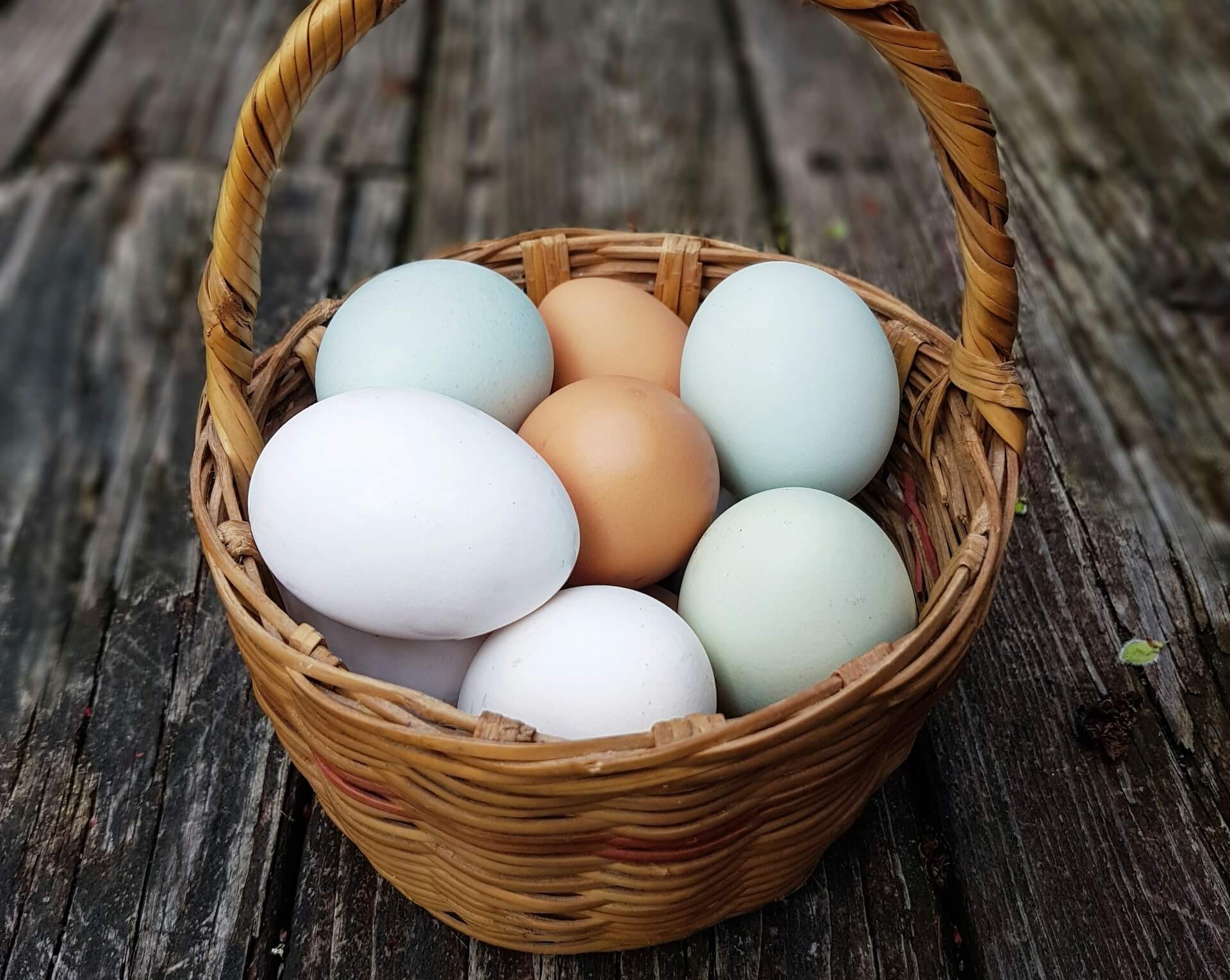
How to Store Eggs
- Fresh, in-shell eggs – keep in the refrigerator at 4 °C (40 °F) or below. They last 3–5 weeks from purchase.
- Hard-boiled eggs – refrigerate and use within 1 week.
- Cracked eggs – transfer to a sealed container and refrigerate, use within 2 days.
- Freezing – raw egg yolks and whites can be frozen separately for later use.
👉 Tip: To test freshness, place an egg in water. If it sinks and lies flat, it’s fresh. If it stands upright or floats, it’s older and best avoided.
Common Cooking Methods
- Boiled – soft-, medium-, or hard-boiled, perfect for breakfasts and salads
- Scrambled – creamy or fluffy depending on cooking technique
- Fried – sunny-side up, over-easy, or over-hard
- Poached – gently simmered for a delicate, runny yolk
- Baked – in casseroles, frittatas, or as part of batters and pastries
Eggs are also indispensable in baking, where they provide structure, moisture, and richness.
Nutritional Benefits
- Protein-rich – about 6–7 grams of high-quality protein per large egg
- Nutrients – excellent source of vitamins B12, D, and choline (important for brain health)
- Satiety – eggs help keep you full and satisfied
- Balanced diet – despite past concerns, moderate egg consumption is considered safe for most people and part of a healthy diet
Safety Tips
- Cook eggs until whites and yolks are firm to reduce risk of foodborne illness.
- Use pasteurized eggs for recipes that require raw or lightly cooked eggs (e.g., homemade mayonnaise, tiramisu).
- Wash hands and surfaces after handling raw eggs to avoid cross-contamination.
Conclusion
Eggs are small but mighty — a staple that deserves their place in every kitchen. With proper storage, safe handling, and versatile cooking methods, they deliver both nutrition and flavor in countless dishes.